Torn between the charm of a Lakeview cottage and the ease of a new build? You are not alone. Many buyers in Lakeview weigh character, maintenance, flood profile, and resale before they make a move. This guide breaks down what truly matters so you can choose with confidence and plan your budget wisely. Let’s dive in.
Lakeview at a glance
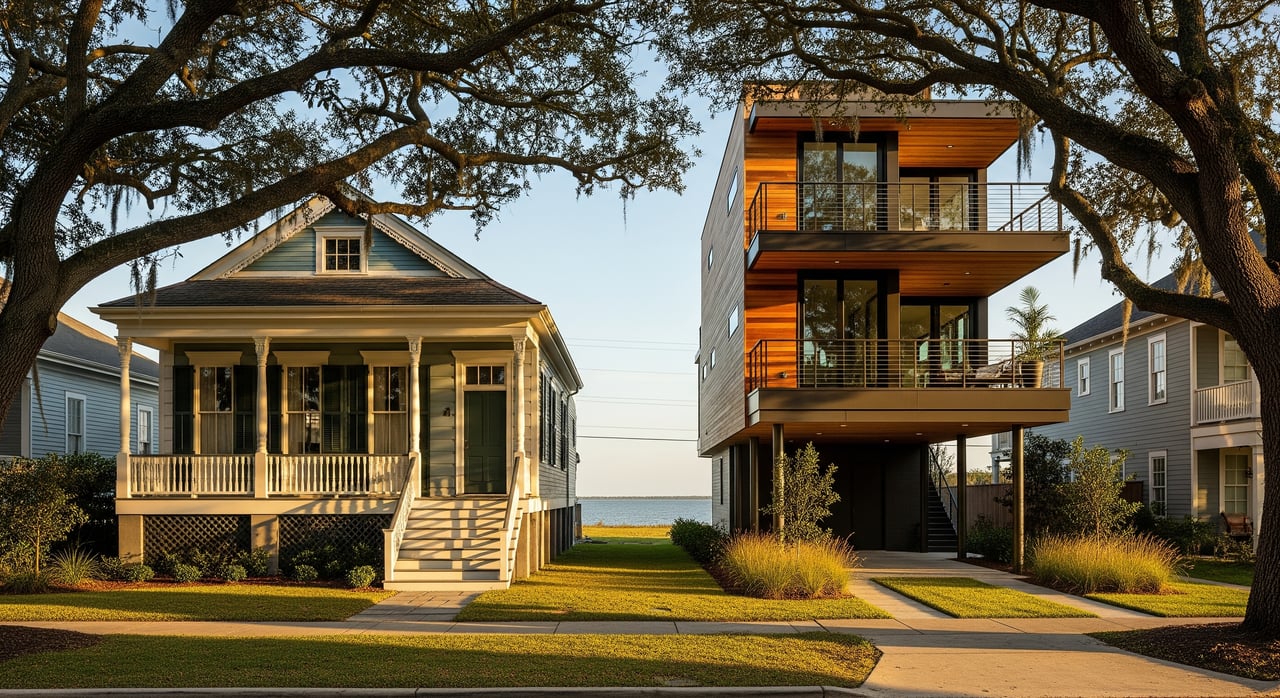
Lakeview sits along Lake Pontchartrain and is known for single-family homes, tree-lined blocks, and an active rebuild history after Hurricane Katrina. You will find a mix of early to mid 20th‑century raised cottages and bungalows alongside substantial post‑Katrina new construction and full gut renovations. Proximity to the lake, block-by-block elevation, and compliance with updated building and flood standards shape both pricing and risk.
Price and value: how to compare
New construction in Lakeview often sells at a premium compared to older homes that are not fully modernized. Buyers pay for modern systems, energy efficiency, elevation that meets current standards, and the peace of mind that comes with recent construction and warranties. That premium varies by block, lot size, elevation, finishes, and garage or off‑street parking.
Renovated historic homes can also command strong prices, especially when they keep the exterior character while updating interiors and systems. Cosmetic work alone has limited upside if the major systems are old or if the home does not meet current elevation and flood guidelines.
Price per square foot is useful, but do not compare across Lakeview without adjustments. Look closely at lot size, finished floor elevation, permit history, number of beds and baths, and proximity to the lakefront and parks. Always anchor your decision to closed sales from the last 3 to 12 months on the same or similar blocks.
Flood, elevation, and insurance
Flood profile is central to your decision in Lakeview. Risk varies by block and finished floor elevation. Many new builds sit on engineered foundations designed to meet local and FEMA standards, which can improve insurability and reduce risk. Older homes may be raised on pier‑and‑beam or raised slab foundations and can have variable elevations depending on age and prior improvements.
Ask for an Elevation Certificate early and get a personalized flood insurance quote based on the property’s exact elevation and flood zone. Prior flood claims and mitigation steps, such as flood vents and the location of mechanicals, matter to insurers and can affect affordability and resale.
Architecture and maintenance
Historic and older homes
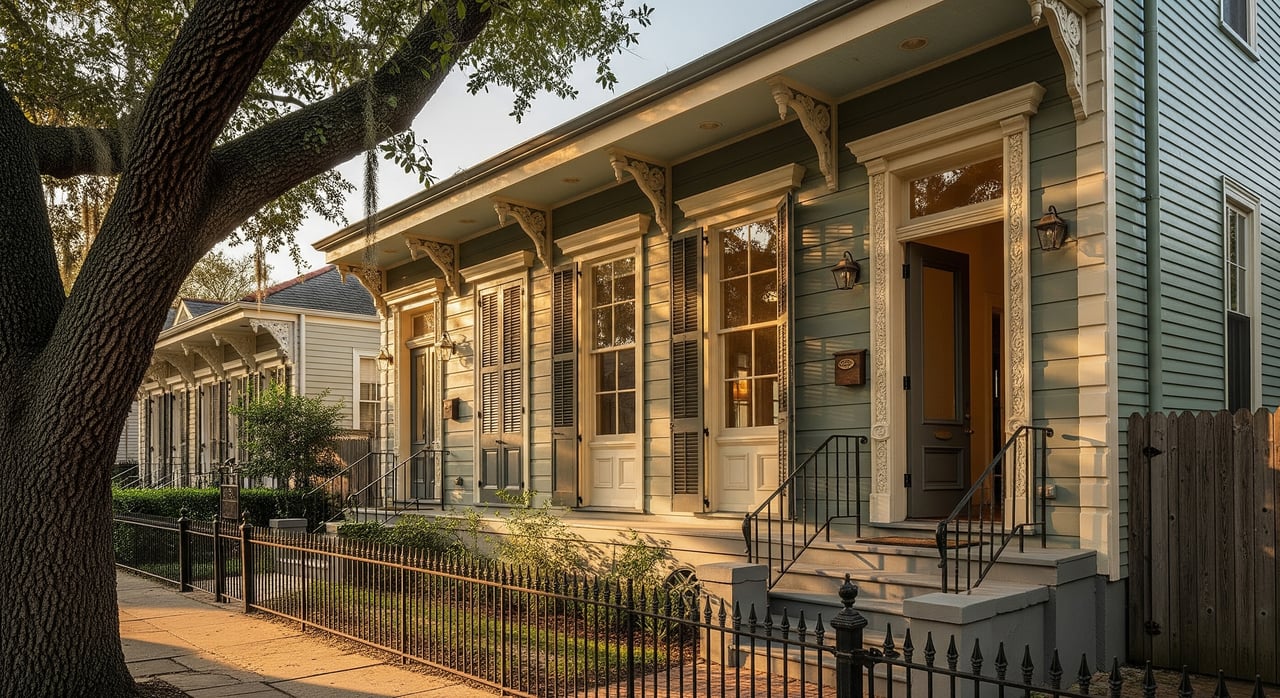
Historic Lakeview properties often feature raised cottages or Craftsman‑influenced bungalows with original trim, porches, and woodwork. Expect more ongoing maintenance and the possibility of larger capital repairs over time. Common items include aging electrical, older plumbing, HVAC replacement, roof work, termite treatment, and localized foundation repairs. If the home predates 1978, plan for lead‑based paint considerations in any renovation.
New construction
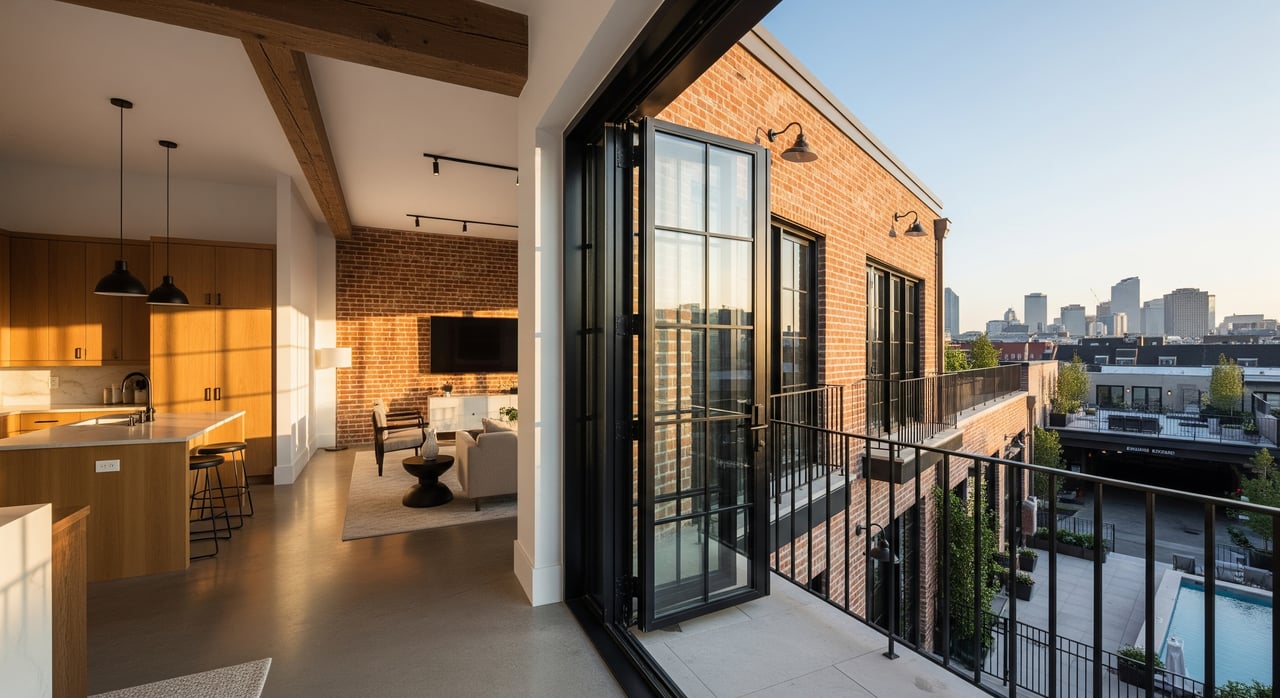
New homes are typically elevated to meet current standards and built with modern HVAC, electrical capacity, and insulation. Near‑term maintenance is usually lower and energy efficiency is higher. Many offer builder warranties that may cover structure and systems for defined periods. Quality varies by builder, so confirm who holds the warranty and what it covers, including roof, structural elements, and finishes.
Micro‑areas and lifestyle trade‑offs
Near lakefront blocks
These locations draw buyers who value access to Lake Pontchartrain, parks, and views. You can expect premium pricing. Elevation and flood insurance costs will depend on the specific site, so verify the Elevation Certificate and insurance scenario for each address.
Harrison Ave corridor
Living near the commercial corridor puts you close to neighborhood restaurants and local services. Walkability can boost resale appeal, though you may experience more foot traffic and activity nearby.
Interior infill blocks
Interior streets often feel more residential and are common locations for new infill homes and lot splits. Pricing is generally below immediate lakefront areas while remaining desirable.
Resale outlook in Lakeview
Turnkey new builds and fully renovated homes often sell faster because many buyers prefer not to renovate. That said, a well‑positioned historic home with tasteful updates can sell quickly and competitively. The strongest resale drivers include elevation and flood profile, permitted and documented work, quality kitchens and baths, outdoor living spaces, and off‑street parking or a garage.
If you are evaluating an older home to renovate, compare total upgrade costs, including any elevation work, to the cost of a rebuild on the lot. In some cases, a new build with a larger modern footprint can deliver better long‑term value if zoning and permits allow.
What new vs historic really costs
- New construction premium: You typically pay more up front for elevation‑compliant foundations, modern systems, energy efficiency, and warranties. Carrying costs can be lower in the first 5 to 10 years.
- Historic renovation path: You might secure a lower purchase price, then invest in systems, roof, and foundation work over time. The result can keep the neighborhood’s original fabric while meeting modern expectations.
- Biggest ROI items in Lakeview: Kitchens, bathrooms, and flood mitigation upgrades tend to matter most to buyers. Documentation and permit history build trust and can support stronger pricing.
Buyer checklist: Lakeview due diligence
- Get closed comps from the last 3 to 12 months on the same or nearby blocks with similar elevation and lot size.
- Request the Elevation Certificate and recent survey; confirm FEMA flood zone and obtain a flood insurance estimate.
- Pull permit history and confirm finaled permits for major work; collect any builder or system warranties.
- Order a full home inspection and any needed specialty inspections: termite, sewer scope, structural or foundation, mold, and lead or asbestos testing for older homes.
- Ask the seller about prior flood claims and mitigation steps, including flood vents and the elevation of electrical and HVAC systems.
Seller checklist: Prep for premium results
- Gather documentation: permits and final approvals, Elevation Certificates, engineering reports, warranties, and service records.
- Address visible deferred maintenance and provide recent roof, HVAC, and termite reports where available.
- Price with attention to finish level, elevation profile, and the newest comparable sales nearby, including recent new construction on similar blocks.
Renovate or rebuild on your lot?
Start with condition and elevation. If structure and systems are sound and the finished floor is competitive for the block, a renovation can make sense. If the home sits low, requires significant systems replacement, or the lot supports a larger modern footprint, a rebuild may produce better livability and resale potential. Always model total costs, timeline, and future insurability before you decide.
Work with a Lakeview‑savvy advisor
Lakeview rewards precision. The right price, flood profile, and documentation can add real value. If you want help weighing new construction against a historic home on a specific block, I will source block‑level comps, coordinate inspections, and manage a clear, concierge process from offer to close. Ready to compare properties with confidence? Connect with Amberly Stuart.
FAQs
How do Lakeview new builds compare to historic homes on price?
- New construction commonly trades at a premium, but renovated historic homes on strong blocks can match or exceed that pricing. Use recent closed comps on the same or nearby blocks to quantify.
How much will flood insurance add to my monthly cost in Lakeview?
- It depends on your exact flood zone, finished floor elevation, and any prior claims. Get a personalized quote using the property’s Elevation Certificate and parcel details.
What maintenance should I expect with an older Lakeview home?
- Plan for periodic big‑ticket items such as roof, HVAC, electrical panel, plumbing updates, and localized foundation work. Ongoing upkeep is typically moderate to high compared to a new build.
Do new Lakeview homes come with warranties?
- Many do, with defined coverage periods for structure and systems. Confirm the warranty terms, who holds them, and what is covered, including roof and finishes.
Is it smarter to renovate or tear down and build new in Lakeview?
- It depends on structural condition, elevation needs, architectural value, and total cost per square foot to achieve your goals. Compare both paths with current permits, comps, and contractor input before deciding.