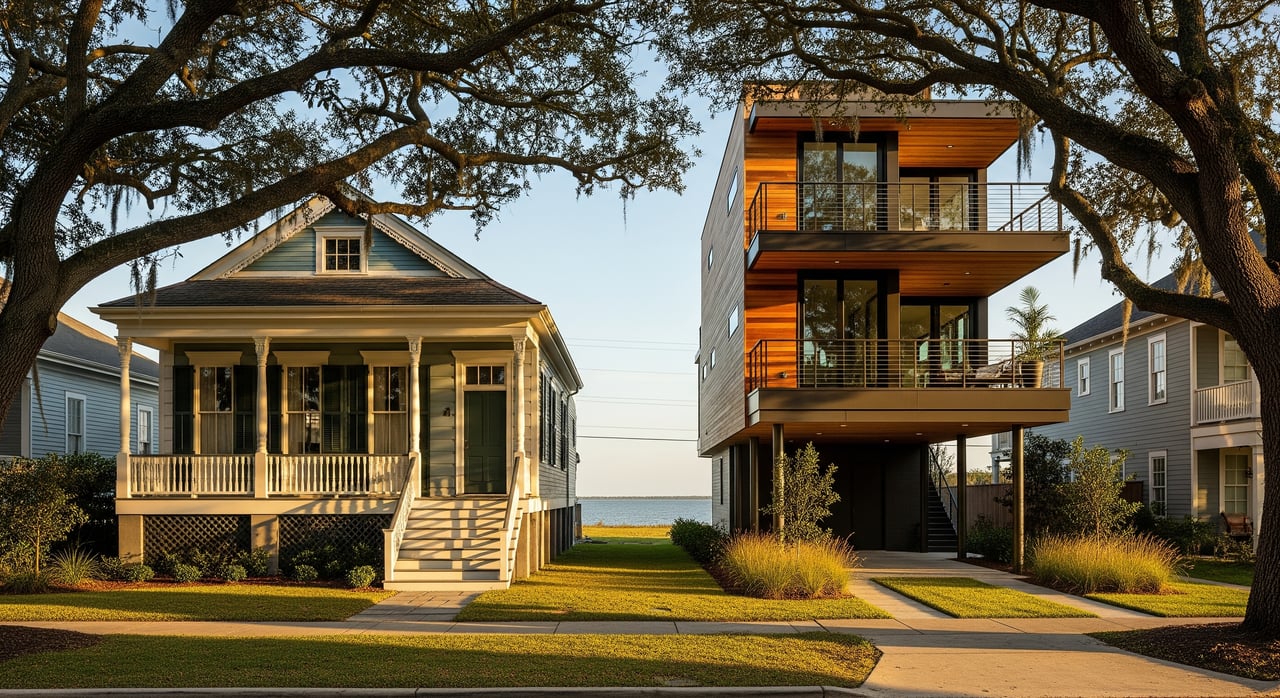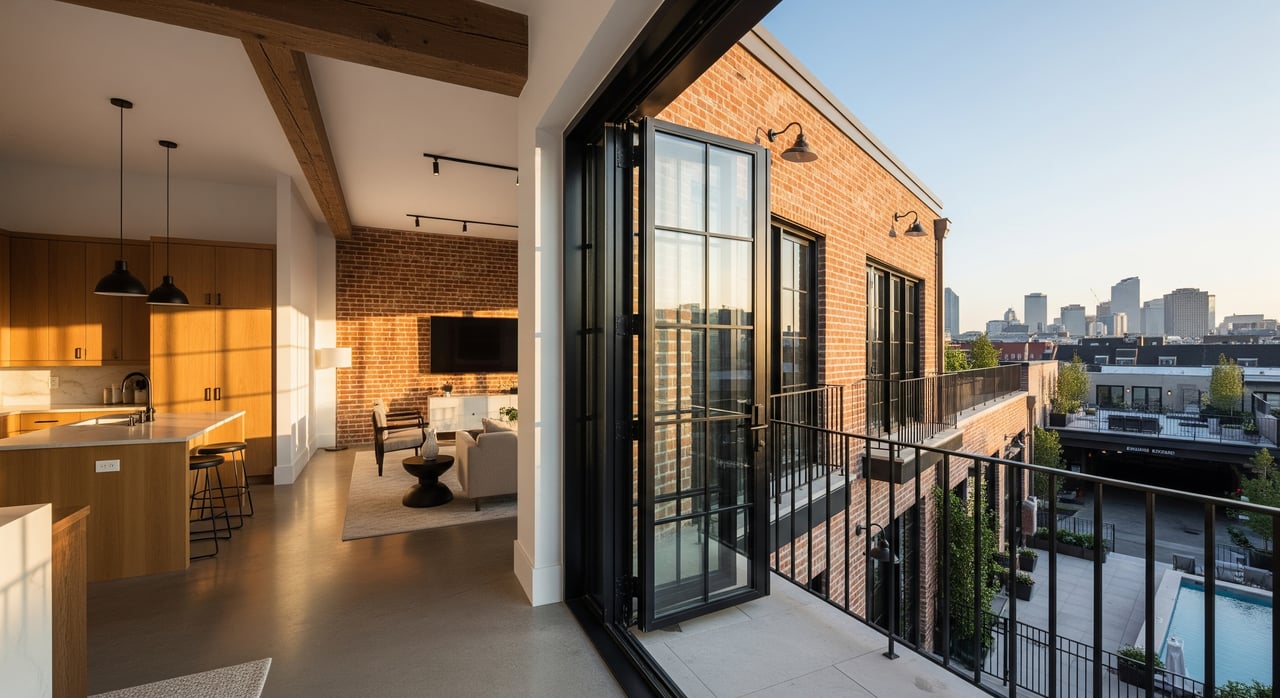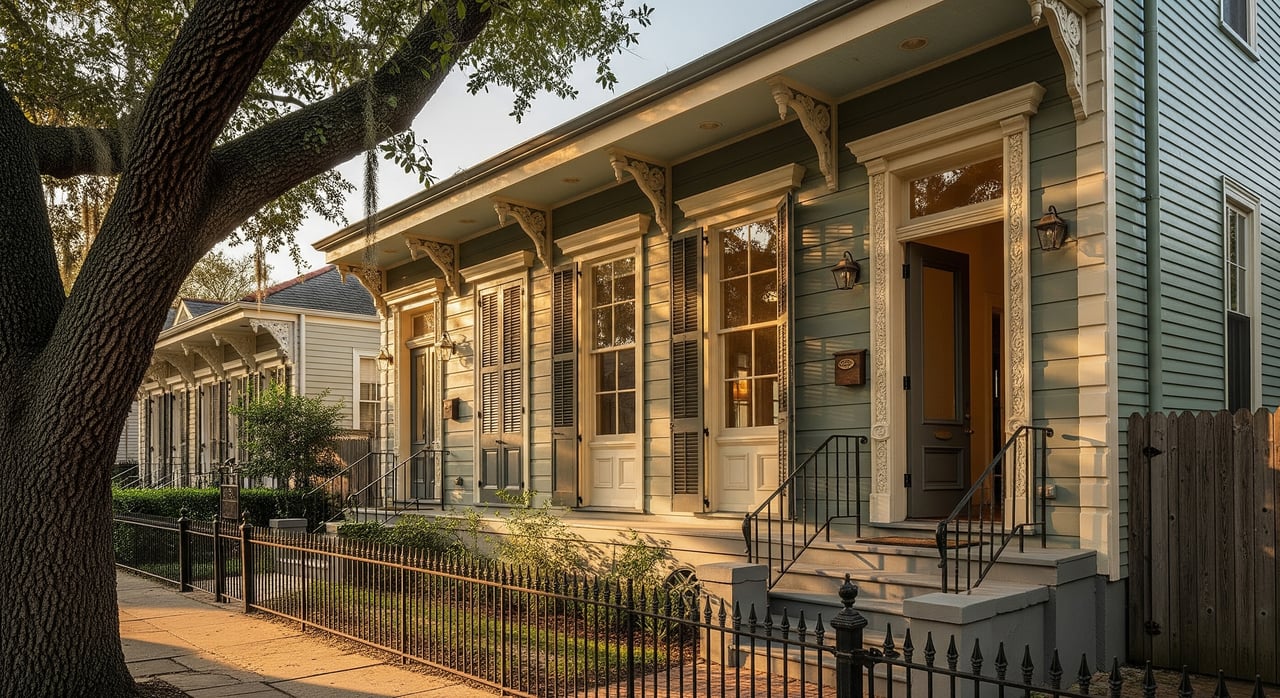
Is that narrow, front-porched cottage in Uptown Triangle really as simple as it looks? If you are curious about New Orleans shotgun houses, you are not alone. These homes carry history, charm, and a few quirks that matter when you buy. In this guide, you will learn what defines a shotgun, how they live today, what to know about permits and renovations, and how to think about value in Uptown Triangle. Let’s dive in.
Shotgun basics: what it is and why it matters
A shotgun house is a long, narrow home where rooms line up in a straight sequence from the front door to the back. Most early examples are one story, wood-framed, and raised slightly on piers. The plan promotes natural airflow, which made sense before air conditioning.
The type is closely tied to New Orleans and the Gulf Coast. It reflects a mix of Caribbean and West African building traditions blended with local Creole influences. If you want a deeper historical overview, the Preservation Resource Center of New Orleans and the Historic New Orleans Collection both publish accessible background on shotgun origins and design.
Core features you will often see:
- Narrow footprint, typically around 10–14 feet wide.
- Rooms connected without a central hallway.
- Transom windows, front stoops or porches, and simple street facades.
- Raised foundations to help with moisture and flood concerns.
Uptown Triangle context
Uptown Triangle sits near streetcar routes, universities, parks, and popular retail corridors. The neighborhood includes many late 19th and early 20th century homes, including single shotguns, camelbacks, and doubles. Some blocks fall within locally regulated historic districts, so exterior changes that are visible from the street can require review by the Historic District Landmarks Commission.
Lots are often narrow with mature trees. Shade is a plus for cooling, but large roots can affect utilities and foundations. Flood risk varies by block, and many homes are already raised on piers. Before you buy, check current flood maps at the FEMA Flood Map Service Center.
Common layouts and variants
Single shotgun
This is the classic layout: front parlor, then living or dining, then one or two bedrooms, with the kitchen toward the rear. You walk room to room.
Camelback
A camelback adds a second story at the rear. You keep the narrow street presence while gaining more living area upstairs.
Double shotgun
A double is two mirror-image shotguns under one roof that share a center wall. In Uptown, these can be owner-occupied on one side with the other used as a rental, subject to current city rules.
Side hall or side gallery
Some homes have a narrow side hall or porch to improve circulation and privacy. Interior reconfigurations can create a more private bedroom sequence.
Modern Uptown updates often include a rear addition for an open kitchen, more storage, and a second bathroom, while keeping the original front rooms and façade.
Renovation and permitting in Uptown
Before you plan work, verify permits and reviews. The City’s Department of Safety & Permits issues building, electrical, and plumbing permits. Learn the basics at the City of New Orleans Department of Safety & Permits. If the home is in a local historic district or is landmarked, exterior changes visible from the street typically require approvals from the HDLC.
Key building concerns in older shotguns:
- Foundations and floors: Brick piers, sill rot, and uneven floors are common. Expect assessment and, in some cases, leveling or pier repair.
- Roofs and water management: Aging roofs and porch structures may need framing repair and proper flashing.
- Electrical, plumbing, and HVAC: Older wiring and plumbing often need full updates. Many owners choose ductless mini-splits for efficient cooling without bulky ductwork.
Environmental safety matters:
- Lead paint: For homes built before 1978, renovations that disturb painted surfaces must follow the EPA Renovation, Repair and Painting (RRP) Rule.
- Asbestos: Older materials can contain asbestos. Use qualified professionals for testing and abatement if needed.
Flood and elevation:
- Check the property’s flood zone and base flood elevation via the FEMA map portal. Raising a home is a known mitigation strategy in New Orleans, but it can be costly and may trigger extra design review.
Making a shotgun livable today
Comfort comes from thoughtful updates that respect the plan while solving for storage, privacy, and light.
- Preserve cross-ventilation and add efficient cooling. Mini-splits or carefully designed central HVAC can work well in narrow rooms.
- Create a rear service zone. Place kitchen, laundry, and baths toward the back or in a rear addition to minimize disruption to historic rooms.
- Brighten the middle rooms. Use light paint colors, interior transoms, and glass doors to carry daylight deeper into the plan.
- Add storage smartly. Built-ins, under-stair storage in camelbacks, and tall cabinets can ease closet limitations.
- Improve acoustics and privacy. Where needed, add wall insulation or sound-dampening drywall layers to reduce noise transfer.
Energy upgrades with low visual impact:
- Air seal and insulate the attic and under-floor areas where accessible.
- Choose efficient HVAC and LED lighting.
- Consider interior storm panels to improve performance while preserving original windows when replacement is not necessary. Guidance from the National Trust for Historic Preservation can help you weigh preservation-friendly options.
Resale and value in Uptown Triangle
Shotguns with authentic details and sensitive updates have strong appeal in Uptown, especially near streetcar lines, parks, and major corridors. Added living area, such as a rear addition or camelback, can boost value when designed to fit the historic scale.
Buyers also weigh trade-offs. Narrow rooms and higher upkeep are common with older homes, and flood mitigation or insurance can affect overall cost. If you are considering rental income, confirm current City of New Orleans regulations for short-term rentals before underwriting any numbers.
Financing, insurance, and incentives
Renovation loans like FHA 203(k) or Fannie Mae HomeStyle can pair purchase and rehab into one package. Get contractor bids and a clear scope early for smoother approvals.
If a home is income-producing or qualifies for certified historic rehabilitation, state and federal historic tax credits may be available. Start with the Louisiana Division of Historic Preservation to learn about eligibility and application steps.
For insurance, many properties require flood coverage. Elevation, mitigation, and updated systems can influence premiums. Your lender and insurer will guide requirements based on the mapped flood zone.
Quick Uptown due diligence checklist
- Confirm if the address sits in an HDLC-regulated district and what exterior work needs review at the HDLC site.
- Pull permit history and plan any new permits with the Department of Safety & Permits.
- Check the property’s flood zone and base flood elevation through the FEMA map center.
- Inspect structure and systems: foundation, roof, electrical, plumbing, and HVAC.
- Test for lead paint and, if applicable, plan RRP-compliant work per the EPA rule.
- Document character-defining features to preserve: front porch, transoms, floors, mantels, trim.
- If the home has historical documentation, consult the Library of Congress HABS collection for context and comparable examples.
Work with a local expert
Buying a shotgun in Uptown Triangle is equal parts design, permitting, and lifestyle fit. You want a plan for livability now and value for resale later. If you are weighing options or planning a renovation path, connect for boutique guidance, trusted vendor referrals, and a smooth, concierge process from search to closing. Let’s connect through Amberly Stuart.
FAQs
What is a shotgun house in New Orleans?
- A shotgun is a narrow, usually one-story home with rooms arranged in a straight line, often with a front porch, transom windows, and a raised foundation for airflow and moisture control.
How does HDLC review affect Uptown Triangle renovations?
- If the property is in a local historic district, exterior changes visible from the street typically need approval from the HDLC, while most interiors are less regulated.
What should Uptown buyers know about flood risk and insurance?
- Flood risk varies by block; check FEMA maps for the property’s zone. Many lenders require flood insurance, and elevation or mitigation can influence premiums.
Can you make a shotgun open plan without losing character?
- Often yes. Many owners open rear rooms for kitchen and living spaces while preserving front rooms, mantels, and trim; always get a structural review before removing walls.
What HVAC options work best for narrow shotgun homes?
- Ductless mini-splits are popular for targeted cooling in narrow rooms, though carefully designed central systems can work when space allows and structural constraints are addressed.